


 Google




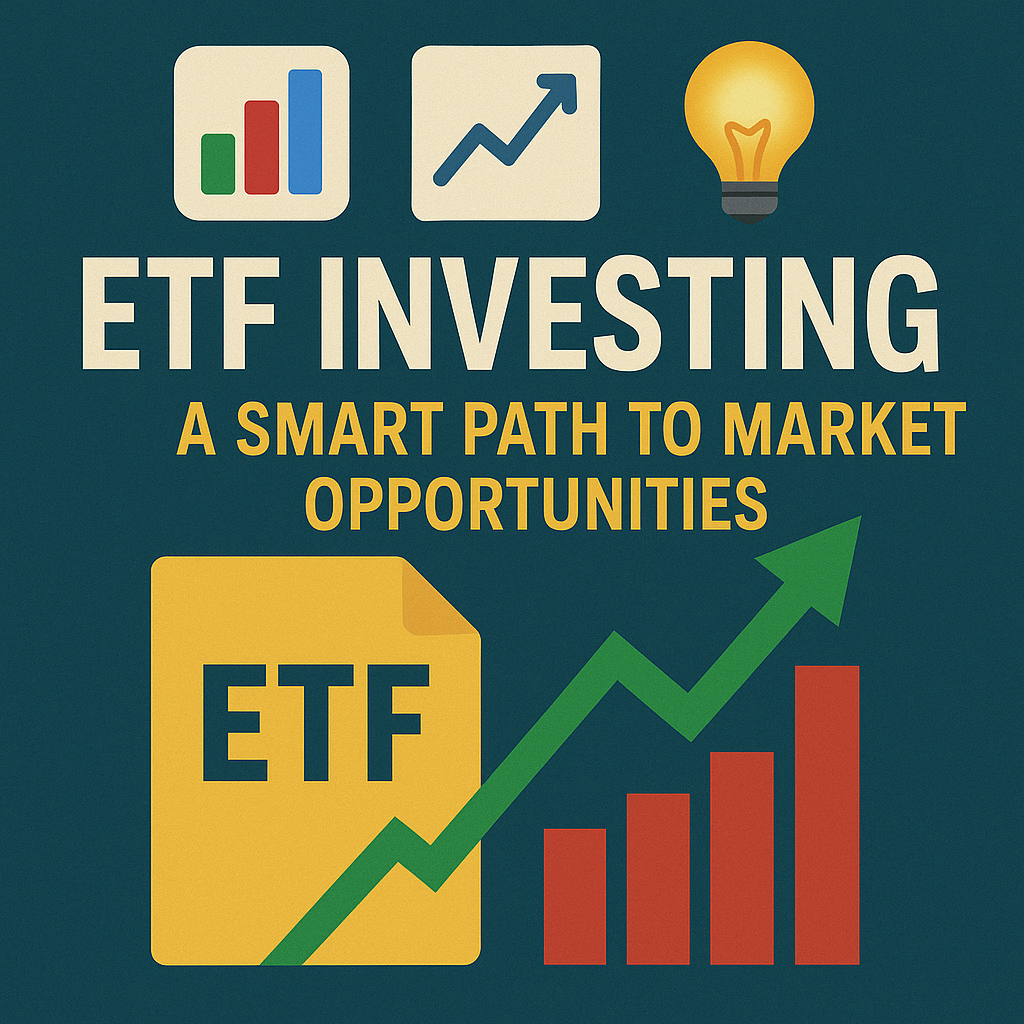
For investors looking to balance risk and reward in the stock market and trading, Exchange-Traded Funds, or ETFs, have become one of the most powerful tools. Whether you are a beginner learning stock market how to strategies, or an experienced trader searching for diversified opportunities, ETFs offer flexibility, transparency, and cost efficiency.
This article explores the world of ETF investing, explains why ETFs matter in global markets, and shows how platforms like Deepscope.com can help identify the best stocks to watch inside them.
What Are ETFs? 🤔
An ETF (Exchange-Traded Fund) is a basket of securities—such as stocks, bonds, or commodities—that trades on an exchange like a single stock. Instead of buying shares in just one company, investors gain exposure to an entire sector, index, or theme.
For example:
- A tech ETF may include NVDA (Nvidia), Advanced Micro Devices, INTC (Intel), and Broadcom stock.
- A healthcare ETF might hold giants like MRK stock (Merck) or biotech firms such as Nxnn.
- A commodities ETF could track gold stock or oil producers like Enbridge stock price trends.
This structure allows investors to diversify quickly without needing to buy dozens of individual shares.
Why ETF Investing Has Exploded in Popularity 🚀
There are several reasons ETFs dominate stock market news today:
- Diversification Made Easy 🌐 – Instead of choosing one risky stock like AMC stock, an ETF spreads risk across many companies.
- Lower Costs 💰 – ETFs generally have lower fees than mutual funds, making them cost-effective for long-term market investing.
- Liquidity and Flexibility 🔄 – ETFs trade like regular shares on exchanges, meaning investors can buy and sell them during stock market live sessions.
- Transparency 🔍 – Most ETFs disclose their holdings daily, so investors know exactly what they own.
- Global Access 🌏 – From the DJIA in the U.S. to the DAX share bazar in Germany, ETFs provide global exposure at the click of a button.
Different Types of ETFs 📂
Investors can choose ETFs that align with their goals and risk tolerance. Popular categories include:
- Index ETFs: Track major indices like the S&P 500 or DJIA.
- Sector ETFs: Focus on specific industries, such as tech (NVDA, AMD, INTC) or energy (Alb, oil, and renewables).
- Thematic ETFs: Invest in trends like artificial intelligence, clean energy, or space exploration (companies like Rklb – Rocket Lab).
- Bond ETFs: Provide exposure to government or corporate bonds, ideal for conservative investors.
- Commodity ETFs: Track raw materials such as gold stock or oil futures.
- International ETFs: Offer exposure to markets like the DAX share bazar in Europe or Asia-Pacific economies.
Opportunities in ETF Investing 🌟
The beauty of ETFs is that they open doors to opportunities that would otherwise be difficult for retail investors.
- Tech Growth 💻 – By investing in a technology ETF, you gain exposure to fast-growing firms like NVDA, AMD, and Googl stock without betting on just one winner.
- Energy Transition ⚡ – Lithium and renewable energy ETFs, holding companies like Alb or Enbridge stock, align with the global shift to clean energy.
- Healthcare Innovation 💊 – ETFs focusing on biotech firms provide access to breakthroughs without the risk of picking just one volatile small-cap.
- Safe Havens 🛡️ – Commodity ETFs, particularly gold stock, often act as hedges against inflation and market downturns.
These opportunities allow both short-term traders and long-term investors to align their portfolios with global megatrends.
ETF Investing vs. Individual Stocks ⚖️
While stocks and news about individual companies often dominate headlines, ETFs provide balance. For example:
- Buying Robinhood stock (HOOD stock) exposes you to the success or failure of one company.
- Investing in a fintech ETF spreads risk across many digital finance companies, reducing the impact of one firm’s poor earnings.
This makes ETFs particularly attractive to beginners who want to invest in market trends without taking on excessive volatility.
Tools for ETF Investors 🛠️
To maximize the benefits of ETF investing, use tools like:
- Screeners 🔎 – A good screener on platforms like Deepscope.com helps you filter ETFs based on performance, fees, and sector exposure.
- Candlestick Pattern Analysis 📈 – While usually applied to individual stocks, some traders analyze ETF price movements for entry and exit signals.
- Fundamental Analysis of Stocks 📊 – Understanding the underlying holdings of an ETF (such as Pltr, MRVL stock, or Ba stock) ensures you know what you’re really investing in.
The Role of Advisors in ETF Strategies 🧑💼
For beginners, consulting a financial advisor or searching “financial advisors near me” can provide guidance on building an ETF-based portfolio. Advisors can recommend whether to focus on broad-market ETFs or specialized sector funds.
ETFs are also widely used by institutional investors, hedge funds, and venture capital firms to manage exposure while keeping portfolios liquid.
Risks to Consider ⚠️
While ETFs reduce risk compared to individual penny stocks, they are not risk-free. Key risks include:
- Market Volatility: If the entire sector falls, so does the ETF.
- Concentration: Some thematic ETFs may be heavily weighted toward just a few companies.
- Tracking Error: ETFs may not perfectly match their underlying index performance.
Being aware of these risks ensures smarter investing in trading strategies.
Conclusion: ETFs as the Future of Market Investing 🌐✨
ETFs combine the best of both worlds: the growth potential of stocks with the diversification of mutual funds. They’re flexible enough for day traders yet reliable for long-term investors.
If you’re ready to explore ETFs, analyze holdings, and discover the best stocks to watch, visit Deepscope.com. From real-time stock market news to advanced ETF screeners, it’s your trusted resource for mastering market investing in the modern era.